
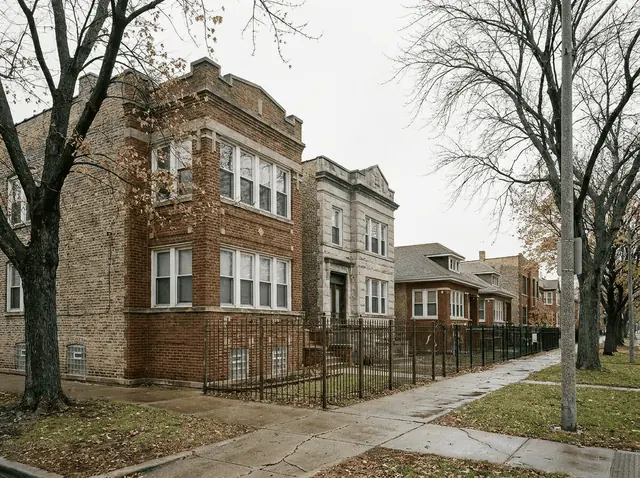
Chicago & selected suburbs
Plumbing help for Chicago buildings, from bungalows to high-rises.
Basement backups, frozen pipes, clogged drains, water heaters, sewer lines. Call to describe the problem and be connected with a plumbing provider that serves your area. Or start with a guide written for Chicago-area homes and rules.
Calls are answered by a referral service that connects you with a local plumbing provider. How this works
Plumbing services
Common plumbing work in Chicago-area homes and buildings.
- Drain cleaningFloor drains, kitchen and bath lines, main line rodding
- Emergency plumbingBurst pipes, overflowing fixtures, sewer backups
- Sewer camera inspectionSee inside the building sewer before deciding on repairs
- Sewer line repairCracked, root-damaged or collapsed building sewers
- Water heater repair & replacementTank and tankless, gas and electric
- Sump pump repair & installationPrimary and battery backup pumps
- Backwater valves & overhead sewersProtecting basements from sewer backup
- Leak detection & pipe repairHidden leaks, leaks into units below
- RepipingGalvanized and cast-iron replacement in older buildings
- Toilet installation & repairReplacement, running and leaking toilets
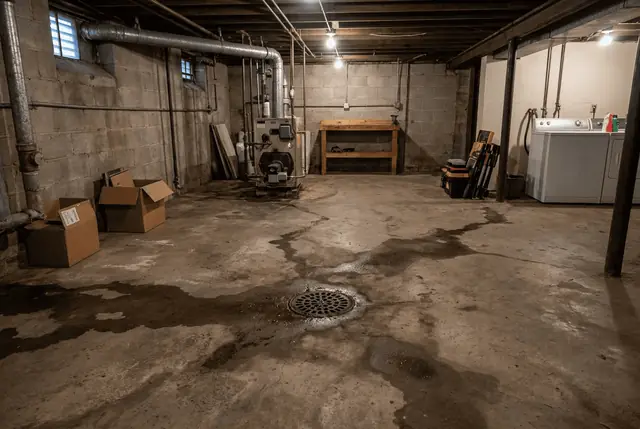
Common problems here
Chicago's combined sewers, cold winters and old housing produce a familiar set of problems.
- Basement floodingWhy basements flood in Chicago and what to do first
- Frozen pipesSigns, safe thawing steps and when a pipe may have burst
- Sewer backupWater or sewage rising from a floor drain
- Sump pump keeps runningNormal groundwater or a failing switch?
- Water coming up through a floor drainWet-weather vs dry-weather backups
- Low water pressureOne fixture or the whole building?
What makes Chicago plumbing different
Combined sewers
Rain and wastewater share pipes, so heavy storms can push water back into basements. Basement flooding
Old buildings
More than 39% of housing units date from 1939 or earlier, and 2–4 unit buildings hold about a quarter of all units. Two-flat guide
Lead service lines
Hundreds of thousands of service lines are known or suspected to contain lead. Lead line guide
City licensing
A State license is not enough: plumbing contractors also need a City of Chicago license. Chicago permits
Sewer permits
Sewer work needs a licensed drainlayer and a Department of Buildings sewer permit. Sewer & water permits
Cold winters
Exposed pipes on porches and exterior walls freeze in cold snaps. Winter pipe prep
City resources: report flooding and water service leaks or breaks to 311; check your service line with the Department of Water Management; verify contractors on the City’s licensed plumbing contractor list.
Plumbing depends on the building
Two-flats share stacks and risers. Bungalows have a single stack and a basement floor drain. High-rises have building rules. Suburban homes rely on sump pumps.
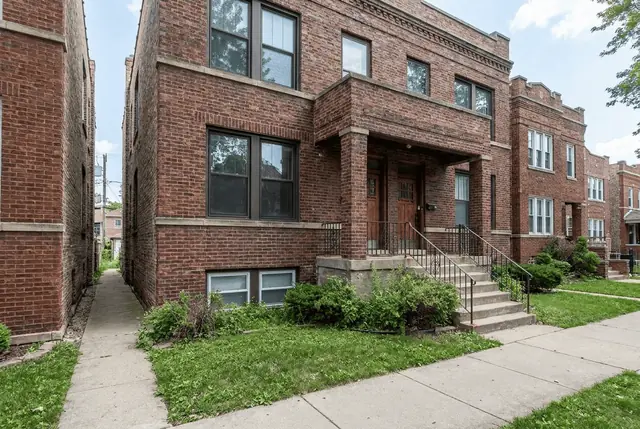 Two-flats, three-flats & greystonesShared stacks, basement units and older supply pipes
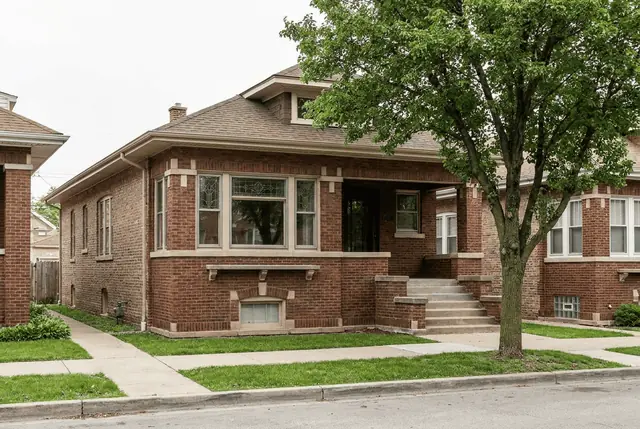 Chicago bungalowsSingle stacks, basement drains and finished basements
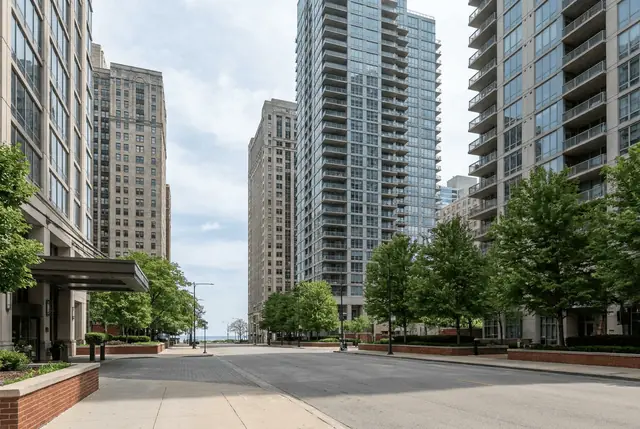 Condos & high-risesLeaks into units below and building rules
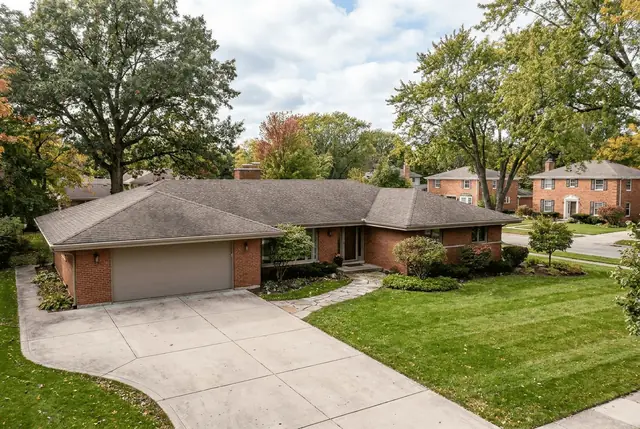 Suburban ranch & split-level homesSump pumps, drain tile and mid-century drains
26%
of Chicago housing units are in 2–4 unit buildings (2020 data)
Source: DePaul Institute for Housing Studies — Characteristics of the 2 to 4 stock in Chicago neighborhoods
>39%
of Chicago housing units were built in 1939 or earlier
Source: Chicago Metropolitan Agency for Planning — Local Housing Profiles
~412,000
Chicago water service lines known or suspected to contain lead, of ~491,000 (2025 inventory)
Source: Grist / Inside Climate News — How we mapped Chicago’s lead pipes (Aug. 2025). Reported figure from the City inventory
Coverage: Chicago neighborhoods and suburbs
Chicago neighborhoods and suburbs with their own local plumbing guides. Select a marker for details.
Select a place on the map, or use the lists below. Numbers on the map match the Chicago neighborhood list.
Chicago neighborhoods
Schematic map for orientation only. Boundaries are simplified and not to scale.
Show full coverage table
| Place | Type | County |
|---|---|---|
| Chicago | City | Cook |
| Logan Square | Chicago neighborhood | Cook |
| Lake View | Chicago neighborhood | Cook |
| Lincoln Park | Chicago neighborhood | Cook |
| Near North Side | Chicago neighborhood | Cook |
| West Town | Chicago neighborhood | Cook |
| Near West Side | Chicago neighborhood | Cook |
| Hyde Park | Chicago neighborhood | Cook |
| Naperville | Suburb | DuPage / Will |
| Oak Park | Suburb | Cook |
| Evanston | Suburb | Cook |
| Skokie | Suburb | Cook |
| Des Plaines | Suburb | Cook |
| Arlington Heights | Suburb | Cook |
| Schaumburg | Suburb | Cook |
| Aurora | Suburb | Kane / DuPage / Will / Kendall |
| Joliet | Suburb | Will |
| Elgin | Suburb | Kane / Cook |
| Oak Lawn | Suburb | Cook |
| Orland Park | Suburb | Cook / Will |
| Elmhurst | Suburb | DuPage / Cook |
| Park Ridge | Suburb | Cook |
Why Chicago basements back up
- Basement floor drain — the lowest opening, so usually the first place sewer water appears.
- Private sewer lateral (building sewer) — typically the owner’s responsibility.
- Backwater valve — a flap that is meant to close when flow reverses; needs an access cover for cleaning and inspection.
- Combined street sewer — during heavy rain it can fill and back up toward buildings (MWRD).
Most of Chicago is served by combined sewers: rainwater and wastewater share the same pipes. In heavy rain, neighborhood sewers can fill, and water can push back toward buildings through their lowest openings — often a basement floor drain. The regional reclamation district notes this can happen even when the Deep Tunnel system still has room.
Backwater valves and overhead sewers are two common protections. Both need correct design, permits and maintenance.
Rules are local
Illinois licenses plumbers. Chicago adds its own contractor license, permits and drainlayer rules. Each suburb runs its own permits. We explain each — with sources and review dates.
Homeowner guides
- Basement water guideSewer backup, groundwater, sump or a leak? Compare the signs
- Lead service lines in ChicagoHow to check your line and what City programs exist
- Pipe materials in older homesCast iron, galvanized, copper, plastic — what each means
- Backwater valves vs overhead sewersTwo ways to protect a basement
- Sump pump guideTesting, backup power and discharge
- Winter pipe preparationBefore the first hard freeze
Frequently asked questions
Who answers when I call?
A plumbing provider that serves your area. We do not employ plumbers or send crews ourselves. Read how it works.
Which areas do you cover?
Chicago neighborhoods and the suburbs shown on the areas map. Each has its own page with local plumbing information.
Does my plumbing job need a permit?
It depends on the work and the municipality. Chicago has its own licensing and permit system; suburbs set their own permit rules. Start with Codes & Permits, and confirm with your building department.
What should I do first if water is coming into my basement?
Stay away from water near electrical equipment, stop running water in the building if a drain is backing up, and avoid contact with sewage. The basement water guide helps you describe what you are seeing.