
Tool
Where is the water in my basement coming from?
Answer three questions to compare likely sources. This is a guide to help you describe the problem — not a diagnosis.
Calls are answered by a referral service that connects you with a local plumbing provider. How this works
Safety first Stay out of standing water that may reach outlets, appliances or the electrical panel. If sewage is involved, stop using water in the building and avoid contact. If you smell gas, leave and call the gas utility or 911 from outside.
All sources compared
| Source | Typical signs | Water | Safe next step | Who usually helps |
|---|---|---|---|---|
| Sewer backup (wet weather) | Rises from floor drain or lowest fixture during/after heavy rain | Gray/dark, odor | Stop using water; avoid contact; report flooding (311 in Chicago) | Plumber (backflow protection); municipality |
| Drain blockage (dry weather) | Floor drain overflows when fixtures upstairs run | Gray/dark, odor | Stop using fixtures | Plumber (drain cleaning, camera) |
| Groundwater seepage | Wet wall/floor joints after prolonged rain or snowmelt | Clear-ish, slow | Document; keep valuables up | Waterproofing contractor or plumber (drain tile/sump) |
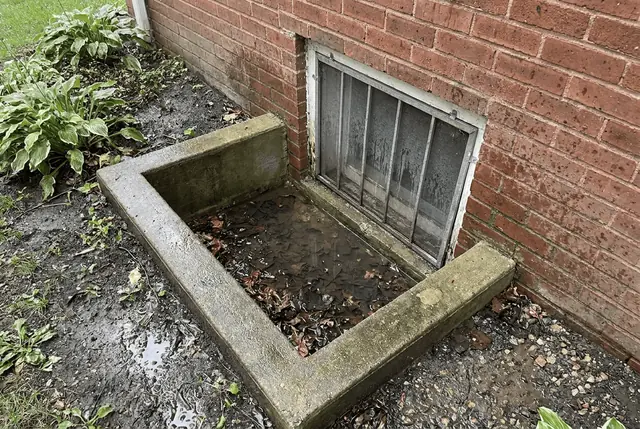
| Surface water | Enters at window wells or doors | Muddy | Check gutters, downspouts, grading when safe | Often not a plumber |
| Sump pump failure | Pit overflowing; pump silent or always running | Clear | If safe, check the pump has power | Plumber |
| Ejector pump failure | Basement toilet/shower backs up; alarm | Sewage | Stop using basement fixtures | Plumber |
| Supply leak | Steady water in any weather; near pipes or water heater | Clear | Close the fixture valve or main shutoff if safe | Plumber |
Sources
- Metropolitan Water Reclamation District — Understanding Your Sewer Official / primary
- City of Chicago DOB — Blocking Rainwater and Preventing Sewer Backup Official / primary
Information can change; official sources control.