
Property types
Plumbing by building type
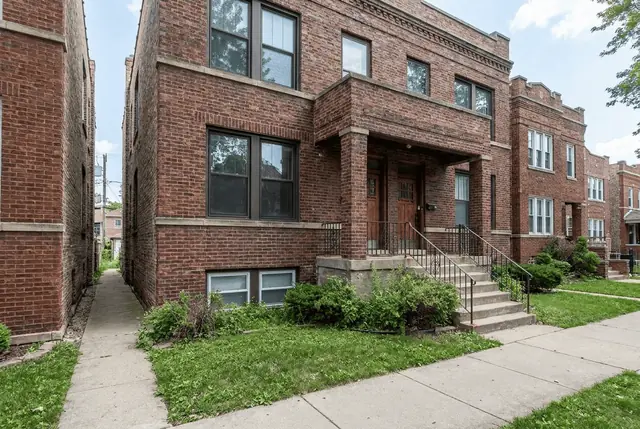
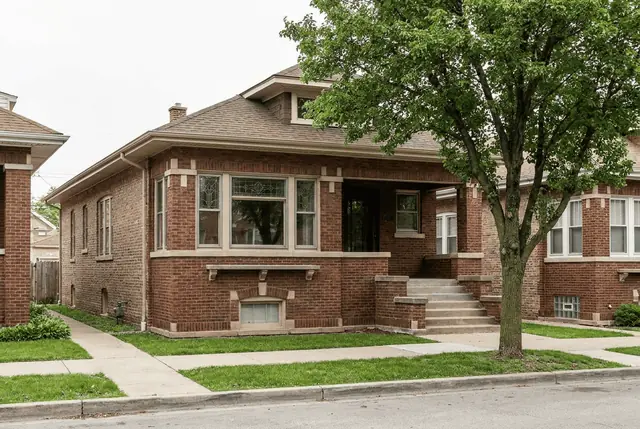
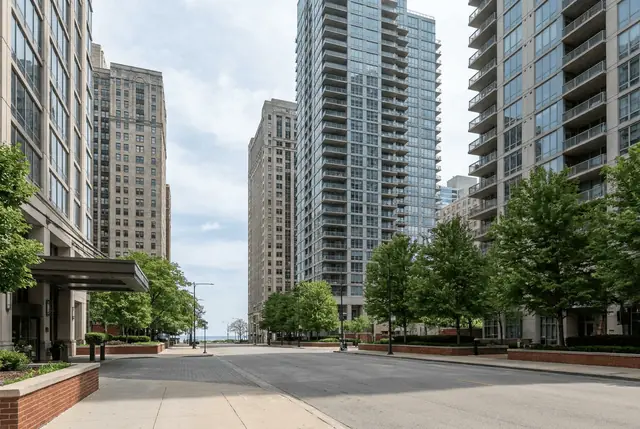
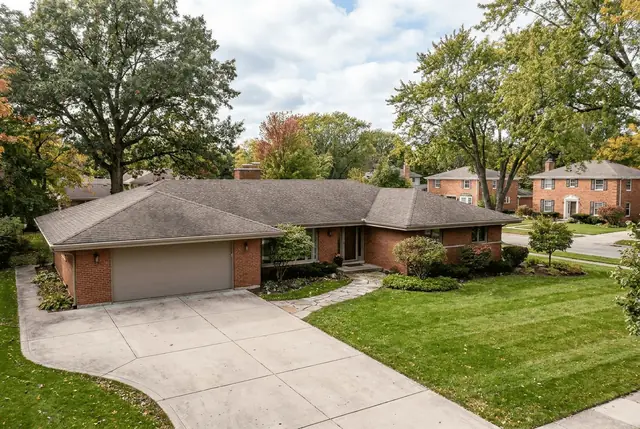
The same problem plays out differently in a two-flat, a bungalow, a high-rise condo and a suburban split-level. Every building varies — these guides describe common patterns.
Calls are answered by a referral service that connects you with a local plumbing provider. How this works
Guides by building type
Chicago’s housing is old
What it means: Roughly seven in ten Chicago homes were built before 1970. Older buildings are more likely to have original cast-iron drains and older water piping, though many have been updated.
Values as reported by a secondary source citing ACS 2022; CMAP’s housing profile independently reports more than 39% built in 1939 or earlier. To be re-verified against ACS table B25034 before launch.
Show data table
| Category | Value |
|---|---|
| 1939 or earlier | 39.7% |
| 1940–1969 | 29.8% |
| 1970 or later | 30.5% (derived as remainder) |
Comparison at a glance
| Type | Shared plumbing | Common concerns | Access & coordination |
|---|---|---|---|
| Two-flat / three-flat / greystone | Drain stack, water riser, building sewer, sometimes water heater | Stack leaks into lower units; galvanized pressure loss; garden-unit backups | Coordinate between units; owner often lives on site |
| Chicago bungalow | None (single-family) | Floor-drain backups; cast-iron and galvanized aging; finished basements | Finished basements can limit drain access |
| Courtyard / vintage walk-up | Multiple stacks and risers | Riser leaks, scheduled shutoffs | Management or association approval |
| High-rise condo / rental | Building systems, risers, pumps | In-unit valve and fixture leaks; leaks to unit below | Building rules, insurance certificates, work hours |
| Suburban ranch / split-level | None | Sump pumps, drain tile, mid-century drains, sewer backups | Crawlspaces and slabs vary |
| Newer suburban house | None (HOA rules possible) | Sump and backup power, water heaters, fixtures | Usually straightforward |
General patterns, not a description of any specific building.