
Service · Naperville
Drain cleaning in Naperville
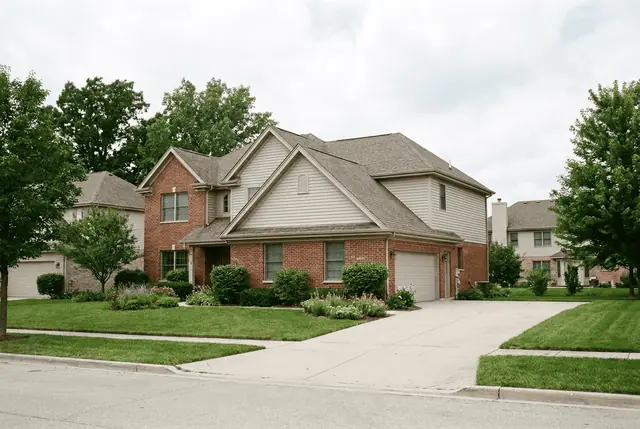
In a Naperville subdivision home, a slow drain is rarely about century-old cast iron. More often it is a kitchen line, a basement bathroom, or roots and settling in the building sewer — and sometimes it isn’t a drain at all, but the sump discharge.
Calls are answered by a referral service that connects you with a local plumbing provider. How this works
How Naperville drain problems differ from Chicago’s
| Aspect | Typical Naperville home | Typical Chicago two-flat |
|---|---|---|
| Building age | 1970s–2000s (median ~1990, estimate) | Early 1900s |
| Drain material | Mostly plastic (PVC/ABS) in newer homes | Often cast iron, some galvanized |
| Shared lines | None (single-family) — townhomes vary | Shared stack and building sewer |
| Groundwater | Drain tile + sump pump common | Varies; many older homes lack drain tile |
| Sewer system | Local sanitary sewer (confirm with City) | Combined sewer |
| Permit process | City permit; contractor documents with every permit | City license + Express/standard permits; drainlayer for sewers |
Typical patterns; your home may differ.
Common Naperville scenarios
- Kitchen line slow after holidays — grease and food solids in the branch line.
- Basement bathroom backing up — many finished basements use a sewage ejector; a failing pump or check valve looks like a clog.
- Floor drain gurgles when the washer drains — a partial blockage in the building sewer.
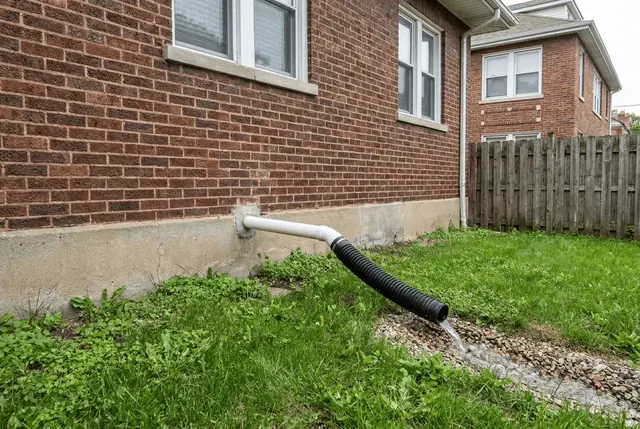
- Water around the sump pit but drains fine — likely a sump or discharge-line problem (frozen or clogged discharge in winter), not a drain clog.
- Repeat backups in an older home near downtown — roots or a damaged building sewer; a camera inspection helps.
Drain or sump? Know the difference
- Drain tile collects groundwater around the foundation.
- Primary pump runs on household power.
- Battery backup pump can run during an outage, for a limited time.
- Check valve keeps discharged water from falling back into the pit.
- Discharge outlet — local rules may say where it can discharge.
Sump systems move groundwater outside; floor drains and fixtures carry wastewater to the sanitary sewer. Tell the provider which one is misbehaving.
What a provider will typically do
- Ask which fixtures are affected and whether there is a basement bathroom or ejector.
- Locate a cleanout (often in the basement or outside near the foundation).
- Clear the line by rodding or jetting as suited to the pipe.
- Recommend a camera inspection if backups repeat or roots are suspected.
Naperville permit notes
Naperville requires plumbing contractors to submit required documentation with any permit application that includes plumbing work, even if previously registered.
Clearing a clog usually doesn’t involve new piping. Replacing drain or sewer piping is typically permit work — the provider should handle the application.
What affects the cost
Cleanout location and access through finished basements; whether an ejector pump is involved; length of the building sewer; whether a camera inspection is needed; urgency; and any follow-up repairs or permits. We do not publish prices.
Frequently asked questions
Is my sump pump discharge part of the drain system?
No. A sump pump moves groundwater collected around the foundation and discharges it outside. Basement floor drains and fixture drains connect to the sanitary building sewer. A clogged sump discharge line is a different problem from a clogged drain — and local rules typically prohibit routing sump water into the sanitary sewer.
Does Naperville require a permit for drain work?
Naperville requires permits for plumbing work and says plumbing contractors must submit required documentation with any permit application that includes plumbing, even if previously registered. Clearing a clog generally doesn’t involve new piping; repairs or replacement of drain or sewer piping usually do. Confirm with the City.
My house is from the 1990s — can drains still fail?
Yes. Newer homes typically have plastic drain piping that doesn’t corrode like cast iron, but clogs from grease, wipes and debris, root intrusion at joints in the building sewer, and settling can still occur.
Related
- Naperville plumbing helpHomes and permits
- Drain cleaning (Chicago)City version
- Basement water guideCompare signs
- Sump pump repair in NapervilleBasement groundwater
Sources
- City of Naperville — Plumbing Permit Official / primary
- City of Naperville — Guide to Building Permits (PDF) Official / primary
- Naperville housing age (ACS 2020–24 via listing aggregator) Secondary
Information can change; official sources control.